

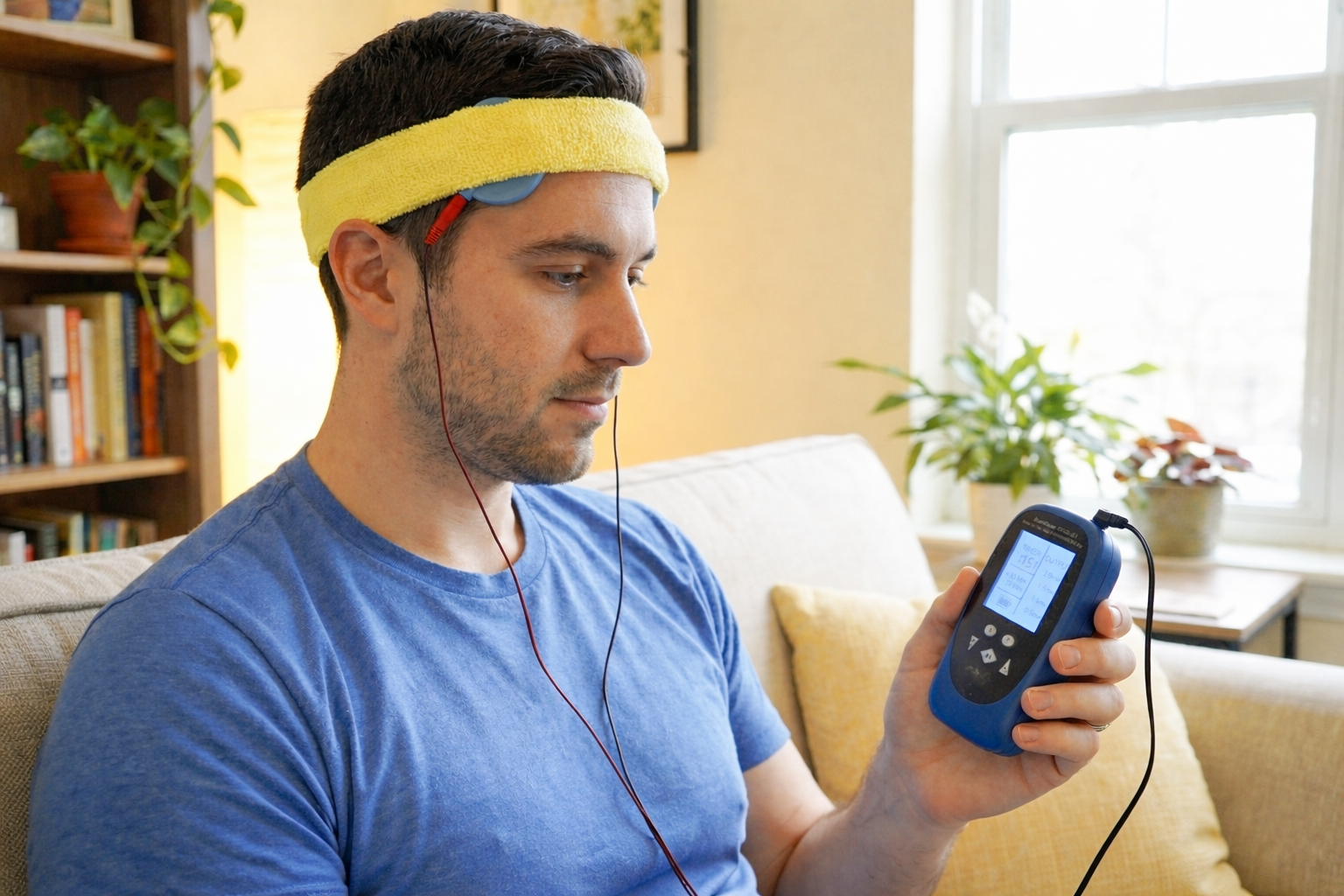
What is tDCS (Transcranial Direct Current Stimulation)?
Stimulation for our neurons, tDCS, is used as a generwell wellness tool, others, however , in a clinical setting use tDCS as therapeutic activity for patients suffering from different brain injuries, including stroke. However, new research conducted on adults, who were healthy, have shown that constantly releasing low levels of current to specific brain areas can result in an increase in cognitive performance when it comes to different tasks. An increase in mathematical and analytic abilities, language skills, memory, attention span and coordination has been noted. However, the usage of tDCS, or Trans Cranial Direct Current Stimulation, does not stop there. Namely, in recent years it has been utilized as a depression and chronic pain treatment.
The Brain
No organ is as complex as the brain. It consists of billions and billions of neurons, or nerve cells, which interact with each other creating synapses, or pathways. In the cerebral cortex alone there are about 15-33 billion neurons, each intricately connected with as many as thousands of other neurons. As these neurons react to all the stimuli that our body is exposed to, they are vital to our every day functioning. The synapses or pathways formed by the neurons can be either electrical or chemical. Whereas both types of synapses are essential, it is electrical impulses that play a major role as they transmit information from one neuron to another 10 times faster than the chemical ones. Here is where tDCS comes in.
Unleash Your True Potential
Realize the Energy of Your Brain Through tDCS
-
Where electrodes should be placed
-
Protocols and Montages
-
The Time per Session
-
The Power of Current
Prior to placing any electrodes, you have to possess a firm knowledge of position codes, e.g.10/20 International System.Position codes will allow you to not only estimate, but precisely determine the electrodes placement. In order to measure your head, you will need to use anatomical landmarks, presented here https://www.trans-cranial.com/tct/end-users-patients/tdcs-stimulator-products/, or on our site:Studied Electrode tDCS Placements. It is also advisable to do proper research regarding the structure and function of each cortex.
A “montage” is described as a possible tDCS placement of the electrodes (cathode and anode) whereas a protocol is the “montage”, current, and the time of the treatment. One of the protocols which has been widely researched is the one where anode stimulates dorso-lateral pre-frontal cortex, i.e. F3 (positive:red) whereas cathode (black) is placed on top of the right eyebrow Fp2 position. The current being used in this protocol is 1mA whereas the time needed is 20 minutes. This protocol is used to enhance different cognitive functions, including learning, control of the impulses,memory, and reasoning.
The duration of the sessions can vary from five to thirty minutes. Most of the research sessions lasted between 20 to 30 minutes, but clinical research has shown that even after five minutes, tDCS can produce effects that will last well after the treatment.
In all of the scientific research, the power of the current ranged between 0.5mA – 2.0mA. Research conducted shows that a current less than 0.5mA will not provide noticeable results. As for currents that are more than 2.0mA, there is still not enough research which shows that they are safe and efficient. Thus said, the belief among the scientists is that longer lasting effects (after the session is over) can be produced using higher currents – up to 2mA.

Other Montages and Uses for tDCS
Many other protocols and montages can be found on other sites as well, such as tDCS Placements, Dr. Brend William’s Blog and tDCS Australia (a guide to montages). Please note that any views and opinions stated in the sites mentioned do not necessarily reflect our opinions and views.
- TheBrainDriver© tDCS Brain Map and Placement Guide
- tDCS Placements
Disclosure: The information provided here is mostly taken from a blog, called reddit’s tDCS community, which is currently the among best sources of information on tDCS found online, according to our research.
Important:
The information stated on the reddit site is not to be taken as advice or suggestion. It should not be seen as an absolute fact. We don’t take any responsibility regarding the information, its validity and context, found on the reddit website.
Based on research, scientists do not believe that tDCS can cause damage to the brain. However, it must be stated that tDCS affects the functions of the brain and, as such, it’s not recommended to be used on your own. It is best (and recommended) to seek the advice of your healthcare professional before commencing.
Shop TheBrainDriver© tDCS Devices
-
 TheBrainDriver.com - tDCS Device v2.1. Ships Worldwide Daily. Safety Features Built-inTheBrainDriver.com - tDCS Device v2.1. Ships Worldwide Daily. Safety Features Built-in
- Regular price
-
$ 139.97 - Regular price
-
$ 199.99 - Sale price
-
$ 139.97
Quick view
-
 TheBrainDriver tDCS Device v2.1 + 6 Extra Pairs of Sponges. Ships Worldwide Daily. Safety Features Built-inTheBrainDriver tDCS Device v2.1 + 6 Extra Pairs of Sponges. Ships Worldwide Daily. Safety Features Built-in
- Regular price
-
$ 149.97 - Regular price
-
$ 217.99 - Sale price
-
$ 149.97
Quick view
-
 TheBrainDriver.com Unit. Renewed tDCS. tDCS Device v2.1. Ships Worldwide Daily. Safety Features Built-inTheBrainDriver.com Unit. Renewed tDCS. tDCS Device v2.1. Ships Worldwide Daily. Safety Features Built-in
- Regular price
-
$ 109.97 - Regular price
-
$ 199.99 - Sale price
-
$ 109.97
Quick view


What is tDCS? A Simple Guide to Brain Stimulation
Transcranial direct current stimulation is often called tDCS. The name sounds heavy, but the idea is light. It uses a very small electrical current to support how the brain works.
A tDCS Brain Stimulation Device sends this gentle current through pads placed on the head. The current is steady and low. It does not force the brain. It only helps guide natural activity.
Read More
People use it to support focus, mood, and clear thinking. Some notice small changes right away. Others feel it builds over time. The experience is not loud or dramatic. It is quiet and subtle.
The brain already runs on electricity. Every thought and action depends on tiny signals moving between cells. Transcranial direct current stimulation works with that system, not against it.
The device sends a mild current from one point to another. This can make certain areas of the brain a bit more active or a bit calmer. That small shift can help with attention or emotional balance.
Nothing is added to the body. No chemicals. No invasive steps. A tDCS Brain Stimulation Device stays on the surface and works from there.
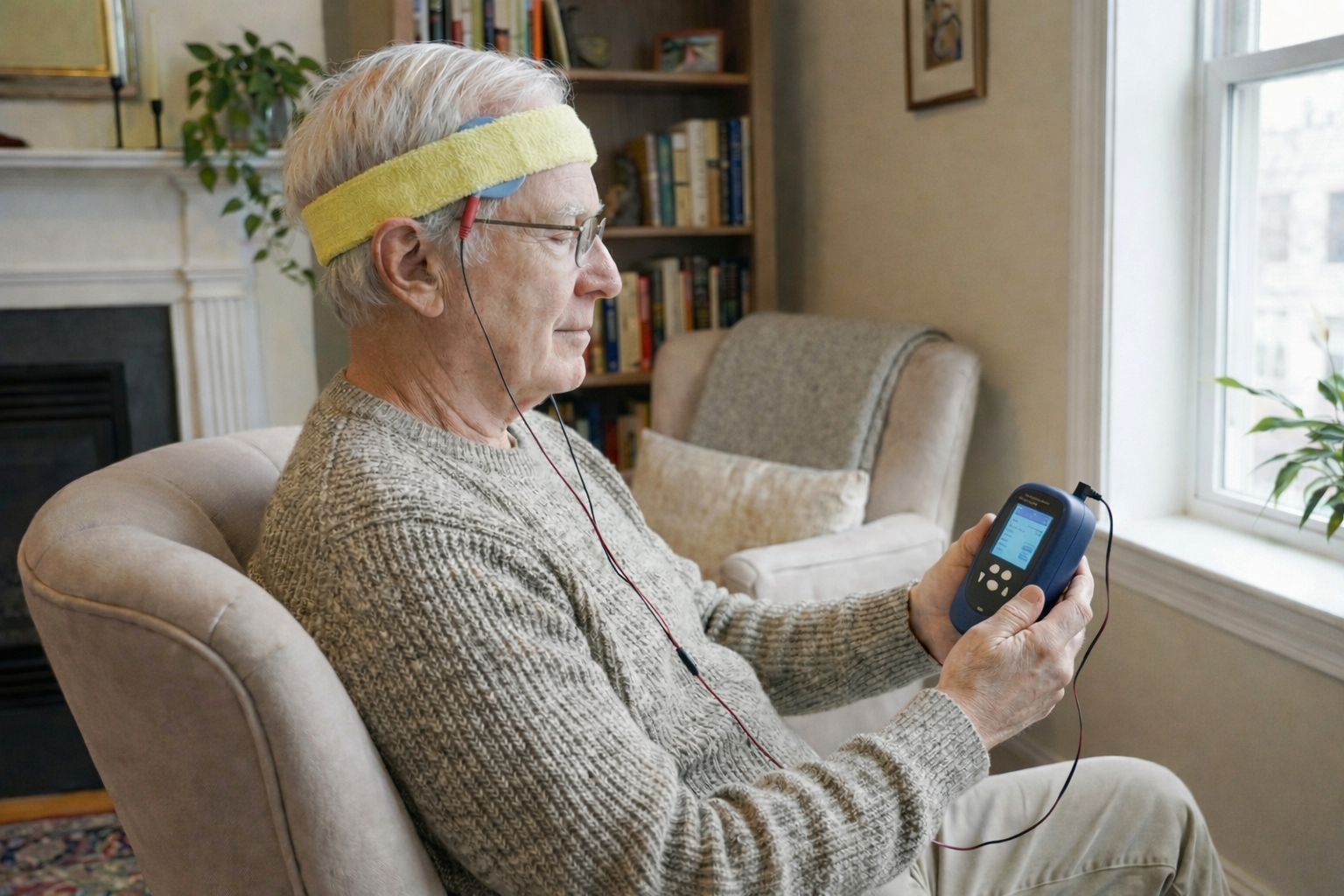
Using transcranial direct current stimulation is simple. The device is placed on the head using soft pads. Once turned on, the current begins to flow.
Most people feel a light tingling at the start. It fades fast. After that, there is very little sensation. Many users sit still. Some read or work during the session.
Sessions are usually short. Around twenty minutes is common. After that, the device is removed and the day continues as normal.
A tDCS Brain Stimulation Device is used by people who want better mental control. It is not about quick fixes. It is about small support.
Focus is a common goal. Long tasks can feel easier to handle. Thoughts may feel steadier. Mood is another area where users look for change.
Some people use transcranial direct current stimulation during learning. Others use it before work or creative tasks. The use depends on personal needs.
It is important to keep things clear. A tDCS Brain Stimulation Device is not a medical treatment. It does not replace care from a doctor.
Transcranial direct current stimulation is a tool for support. It helps guide brain activity in a gentle way. Safe use matters. Settings should stay within recommended limits.
People with health concerns should always seek proper advice before use. Care and awareness are part of the process.
Many products claim to help the brain. Some use supplements. Others rely on long routines or training programs.
Transcranial direct current stimulation stands apart because it works directly with the brain’s signals. It does not depend on digestion or habit changes. It acts in real time.
A tDCS Brain Stimulation Device also fits into daily life with ease. There is no long setup. No recovery period. It becomes part of a routine without much effort.
Daily use feels simple and direct. The device is set up, placed, and turned on. After the session, it is removed. That is the full process.
Over time, users learn what works best for them. Small adjustments in placement or timing can make a difference. Transcranial direct current stimulation is not one-size-fits-all.
Some days feel stronger than others. That is normal. The brain is always changing. The device works with that natural flow.
A tDCS Brain Stimulation Device is built with safety in mind. The current is low and controlled. The design keeps things simple.
Comfort is also part of the experience. The pads should sit well on the skin. A slight dampness helps improve contact. Sessions should stay within the suggested time.
If anything feels uncomfortable, the device should be stopped. Listening to the body is always the right step.
The first few sessions may feel new. That is expected. After a short time, the process becomes familiar.
Placement becomes easier. Timing feels natural. Transcranial direct current stimulation fits into a routine without stress.
Each person may respond in a different way. That is part of how the brain works. Slow and steady use often brings the best results.
A tDCS Brain Stimulation Device does not promise a sudden change. It offers gentle support. The kind that builds over time.
Transcranial direct current stimulation works in the background. It helps the brain do what it already does, just with a bit more balance. That quiet approach is what draws people in. It feels simple. It feels manageable.
TheBrainDriver ® creates tools that respect how the brain works, offering calm, steady support for focus and clarity, built for everyday use without pressure or noise.